

Brace for Impact!
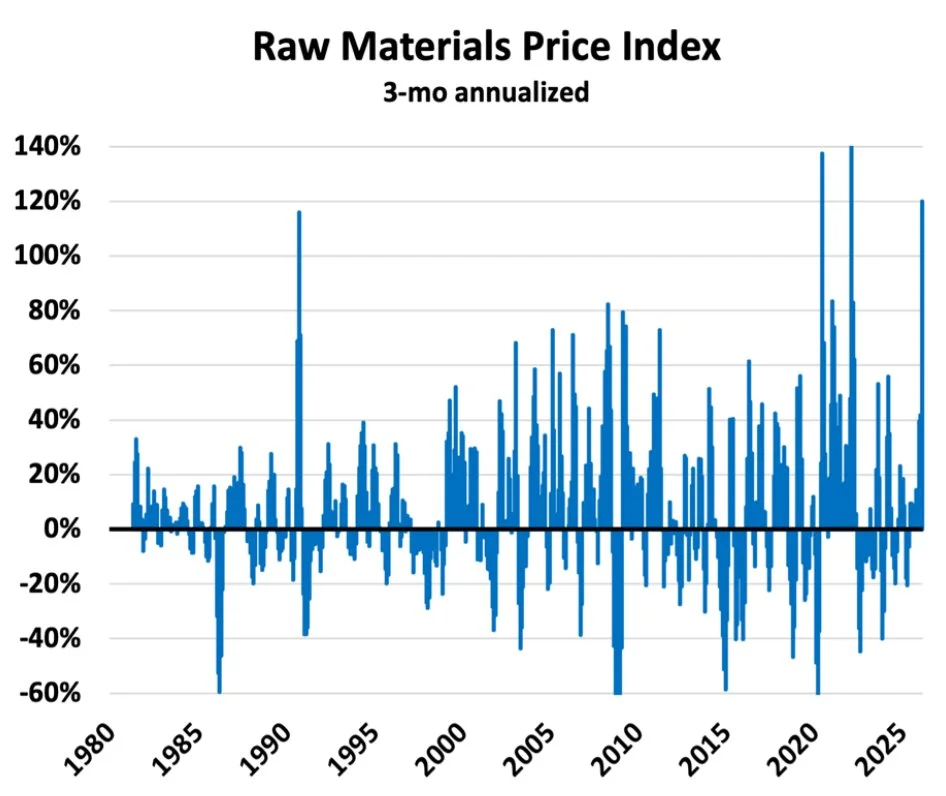
For those paying attention, the writing is on the wall: the conflict with Iran will not only lead to higher gas prices but also to higher inflation. The closure of the Strait of Hormuz is a choke point for 25% of the world’s oil trade, 20% of the liquefied natural gas trade, and one-third (roughly 30–34%) of the global trade in fertilizers and raw materials, such as urea and ammonia. We are already seeing a 120% increase in the Raw Material Price Index (RMPI), which measures the price changes of raw materials purchased by Canadian manufacturers for further processing, including energy, metals, and agricultural products. This is one of the largest jumps in RMPI since COVID, and a typical leading indicator for our Consumer Price Index (CPI).
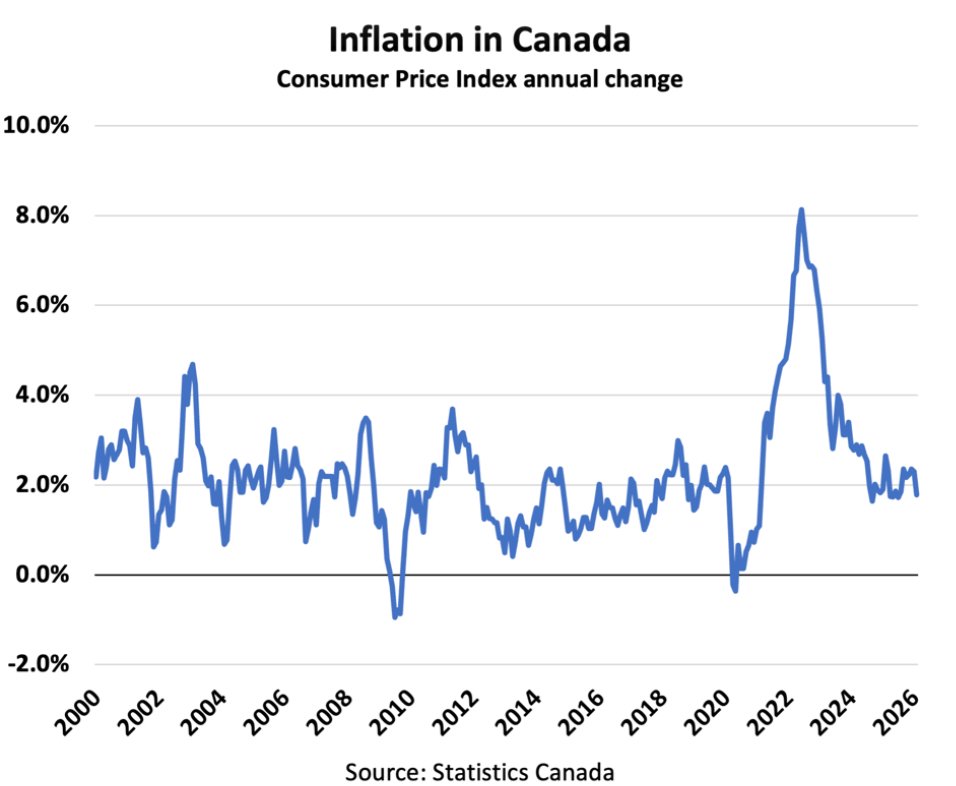
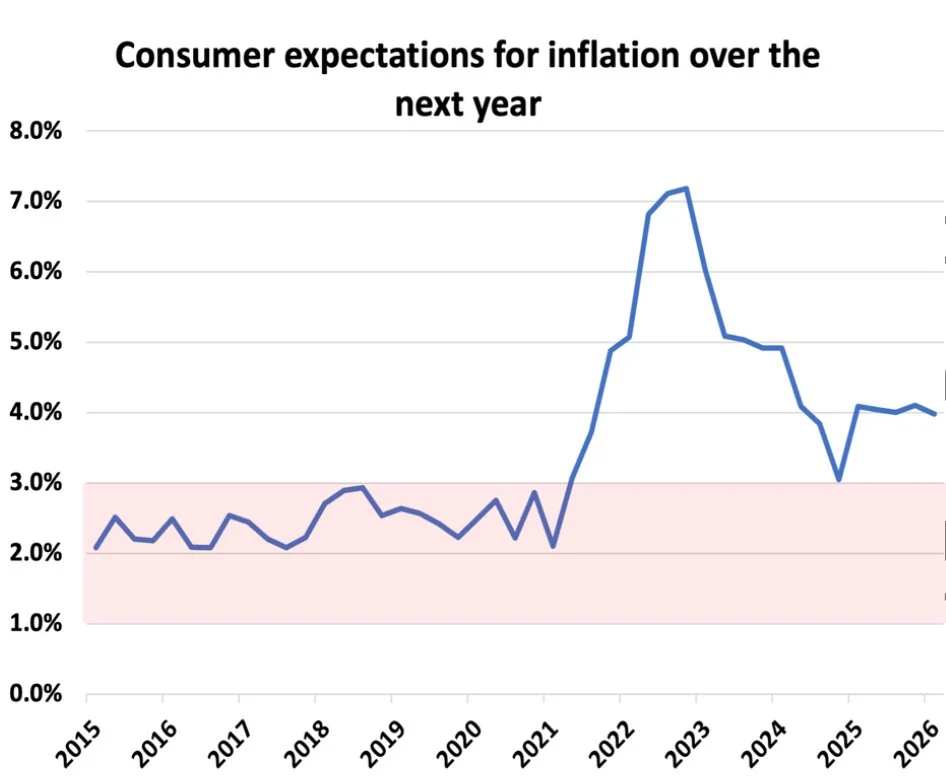
CPI in March came within the BoC’s target range at 2.4%. However, with inflation set to rise, we could be looking at inflation numbers in the 3%-3. range.5% before the end of the year. Although the BoC has initially indicated that they plan to look through the supply shocks and the war’s immediate impact on inflation. However, if energy prices stay high, they will not allow those effects to become persistent inflation. The markets are pricing in multiple rate hikes before the end of the year.
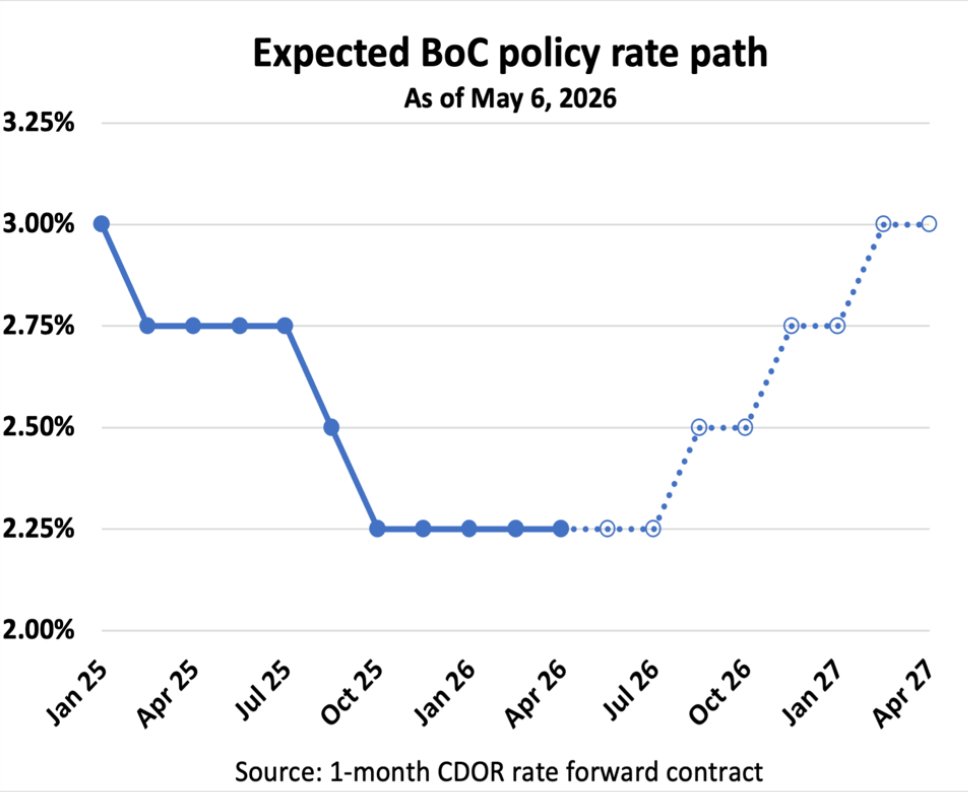
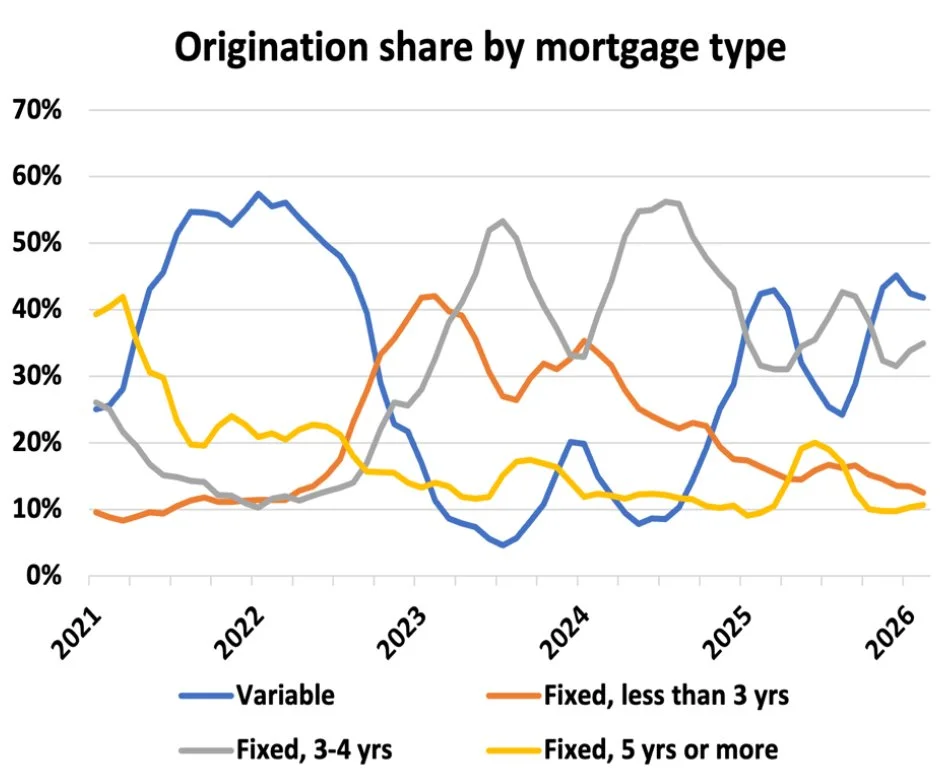
We have already seen fixed rates creep higher over the last few months in anticipation of future rate increases. Any rate hikes this year will have the biggest impact on mortgage borrowers on variable terms. Midway through 2025, we saw variable-rate mortgages become the number one source of mortgage originations, accounting for 40-45% of all new mortgages.
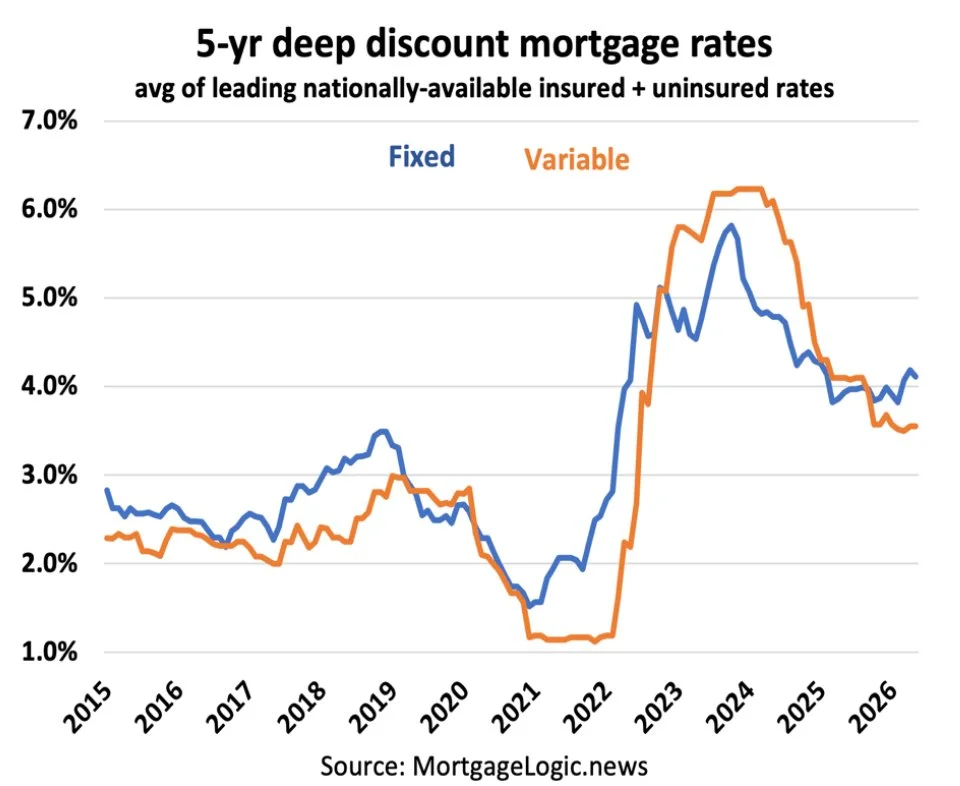
Although variable-rate mortgages are still offering the best rates at this time, now might be the time to consider taking a fixed mortgage, especially if you are sensitive to payment changes.